.png)
 10 months ago
230
10 months ago
230

.jpeg)
.png)
Tender Win Rates are the one important parameter that your tender process needs to keep track of and report on.
Most contractors don’t learn very well from their past tender experiences. Around 75% of them don’t have Internal Tender Procedures that use information from past bids to help with current ones. This lack of good governance is why a lot of businesses can’t win bids. Businesses that apply good business process management can boost their productivity by 30 to 50%. But a lot of people still don’t pay attention to this important component of managing bids.
Let’s have a look at the numbers. You only won 3 out of 20 bids, which means your company’s win rate is only 15%. This means that something isn’t working in your strategy. Tender failures are typically caused by little blunders and bad bidding techniques. These problems are systemic, but good governance can remedy them. Companies that use evidence-based methods attract 23 times more consumers, maintain them six times longer, and make 19 times more money!
In this article, we will explain why bad bid management causes your tender process to fail. You’ll find out about the hidden costs and the modifications you need to make to greatly improve your success rates.
What It Really Means When There Is No Governance in Tendering
The key to winning tender procedures is good governance. Tender governance is typically hard for organisations in three main areas that affect their ability to win contracts.
No official decision-making process for bids and no bids.
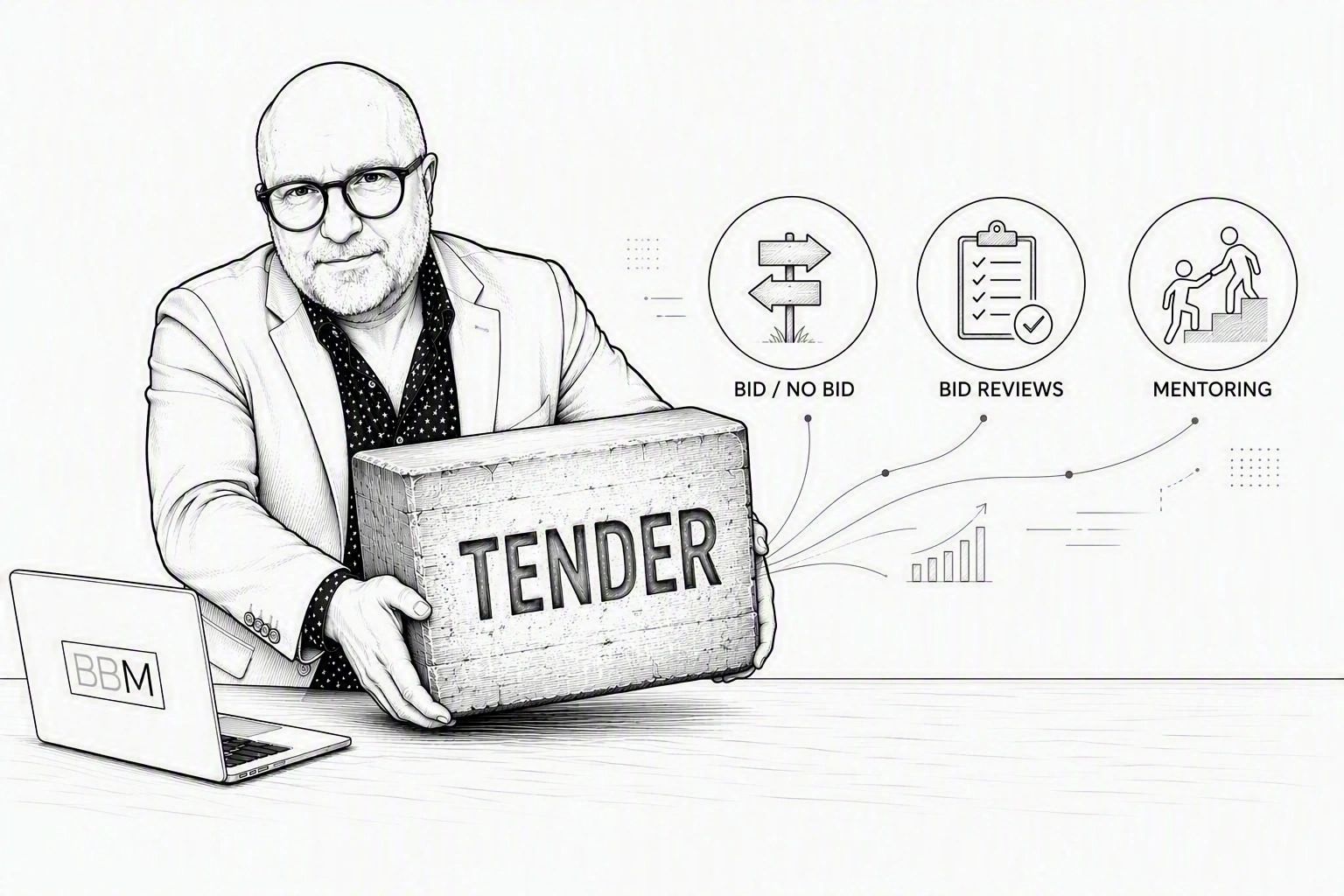
Companies that don’t have a clear bid/no-bid process sometimes go after any chance that comes up without checking to see if it fits. When no one is in charge of the bid/no-bid procedure, teams may see chances in a different light. This results in inconsistent assessments and missed chances. A methodical technique to look at projects helps teams choose which ones to work on and saves resources that would have been squandered on initiatives that were unlikely to succeed.
The formal procedure needs someone to make it work; a simple checklist or tool isn’t adequate. This individual, who is usually the Chief Strategy Officer, BD Director, or Capture Manager, becomes the main point of contact and makes sure everyone applies the same standards.
Unclear responsibilities in internal tender reviews
Tender evaluation panels (TEP) are very important for assessing bids, but many companies don’t make it obvious who should be on them and what they should do. The Auditor-General of the Australian Capital Authority found that bad project oversight made contract decisions less equitable. They came to the conclusion that “bidders were not treated fairly, impartially, and consistently.”
When roles aren’t clear, communication stops working. Reports say that “communication with tenderers was not appropriate, controlled, or adequately documented” and that “no specific communications plan or protocols were developed or implemented for the procurement.” Tender evaluations can miss important information when no one is in charge. No one knows who completed the evaluation or what makes an answer right.
No statements of risk appetite.
Risk appetite statements demonstrate what a company wants and can accept. These assertions provide up a framework that helps managers make good choices. Having a risk appetite helps teams make better decisions, reduce uncertainty, and keep governance stable.
Tender teams that don’t have clear risk appetite declarations don’t know what risks they can take when they bid on contracts. They can miss out on good chances or take on risky ventures without the right controls in place. Part of normal management information flow should be to frequently check teams’ risk appetite, especially when they are making important decisions on strategy and resources.
How Bad Governance Affects the Chances of Winning a Tender
Poor governance makes it harder for tenders to be successful, which costs businesses money and chances to develop. Let’s see how the right methods may make a difference.Spent money on bids with a low chance of winning
It’s common for businesses to go after any opportunity that comes their way. Research demonstrates that companies that reply to all RFPs don’t have enough time to do everything. This means fewer good proposals and less business overall. Businesses who don’t take the time to carefully look over bids squander money on projects they won’t win. According to research, businesses that are less successful add more overhead costs to their bids—about 7.4% compared to 4.8% for organisations that are more successful.
Inconsistent pricing and qualifying plans
These are the challenges that companies without uniform pricing structures face:
- Prices for tenders that aren’t comprehensive
- Prices that are hard to compare between markets
- Prices that are hard to find
Different factors for awards besides pricing
Unbalanced pricing strategies, in which contractors charge prices that are significantly higher or lower than regular unit prices, often lead to rejection. Little mistakes can cost a lot. One company lost a contract because they charged too much for three out of 133 service lines. These were easy “cut and paste” mistakes in what would have been a successful offer.
Missed deadlines because the approval chains weren’t clear
Bottlenecks happen when there are complicated internal processes that require numerous management assessments and risk committee clearances. These bureaucratic steps make submissions take a long time. Teams rush to get their bids ready, which means they make mistakes or don’t send in all they need to.
Good governance helps businesses make better use of their resources. Companies with quality management systems that follow ISO 9001 win more bids because they are more disciplined. Contractors with sales of more than £397.08 million are almost twice as likely to implement what they’ve learnt in their tender processes as smaller ones.
Good governance can double or even quadruple the number of wins. This reshapes the scenario from wasted bids to profitable outcomes.
Not Learning Lessons: The Price of Ignoring Past Bids.
Companies often don’t realise how important past bid experiences are for winning tenders. Studies reveal that companies continually making the same blunders because they don’t learn from their past bids.
No organised lessons learnt (LL) procedure.
Lessons learnt are an important part of managing programs and projects well. Most businesses don’t take the time to get feedback, which means they keep making the same mistakes. For 11% of successful bids and 15% of losing bids, the reasons for success or failure are still not clear. A lack of data inhibits growth, keeping win rates steady, and key company expertise is lost when team members go to other jobs.
Team turnover causes knowledge loss.
When employees leave, there are big gaps in their knowledge and skills. Companies can lose up to 213% of an employee’s compensation since new workers need around two years to become as productive as the people they replace. When experienced workers depart, the knowledge goes with them. This is harder when you have “champions” or core team members who have particular training or know-how about the process.
Not looking at the feedback from the evaluator.
Companies can avoid making the same mistakes by getting a clear picture of feedback on unsuccessful tenders. A lot of businesses squander this potential to get better. According to MarketingWorks research, there are two challenges in the industry: clients don’t give explicit feedback, and bidders don’t ask for it. Because the bid and delivery teams don’t work well together, useful delivery insights never make it into subsequent proposals. This makes a gap between promises and delivery that hurts trust and makes it less likely that people will suggest you.
Fixing the Process: Changes to governance that get things done.
Better governance leads to better tender outcomes. Here are some useful tips that will change the way you handle tenders.
Putting ITP frameworks that follow ISO 9001 into place.
When you bid, having ISO 9001 certification provides you a distinct edge. A lot of Pre-Qualification Questionnaires ask for it directly. ISO 9001 frameworks help businesses provide services that are consistent, can be checked, and meet the norms of the public sector. These criteria are commonly needed for contracts that last more than one year.
Making a policy for centralised bid governance.
A centralised system puts all of your team’s and bid’s parts in one place. This helps groups to:
See bids that are now up and those that have already been made.
- Take care of more than one bid at a time.
- Automated alerts help you stay compliant.
Executives can put the most important opportunities at the top of their lists. This method could increase the chances of winning bids and getting qualified by up to 20%.
Making it necessary to examine and sign off on mid-tender.
Reviewing before submitting lowers risks and raises the odds of success. The optimum way to evaluate is in two steps: first by a bid manager, then by a detailed “red review” before submission. This well-thought-out method finds loopholes, fosters trust, and makes sure that everyone follows the rules.
Adding LL to plans for future bids.
To prevent making the same mistakes, teams should set aside time for feedback. You should use what you learnt during the bidding process immediately away, not after you send in your bid. Senior team members need to go to internal lessons meetings and make sure that these adjustments are made across the whole company.
Teaching teams how to follow the rules of governance.
Training in ISO and internal audits helps satisfy the demands of each client. Do you need help with these changes? Our bid governance experts can assist you make sure your processes follow ISO standards and the terms of your contracts. We talk about quality, safety, sustainability, and strength.
These changes to governance led to processes that were structured and could be done again. They really help businesses get high-value contracts.
Many companies don’t realise that bad bid governance leads to bad tender results. Companies who don’t have good processes waste their resources and don’t win many times. Companies who don’t have clear bid/no-bid structures go for the incorrect chances. Tender quality suffers when roles aren’t clear and risk appetites aren’t clear.
The money effect is really strong. When companies don’t have good governance, they waste significant resources on bids they probably won’t win. They can’t set the right prices for their bids and regularly miss important deadlines. No one learns from past tenders, so the same mistakes keep happening over and over again. When experienced workers leave, they take important information with them.
There are easy ways to remedy this. ISO 9001 frameworks provide a tried-and-true structure that matches customer needs and makes internal processes better. Central bid governance policies help keep track of and standardise all bidding activities. Regular checks find faults before they are submitted, not after they are submitted.
Your approach should be based on what you’ve learnt from past events, not just something you think about later. Teams require time set aside for input. They should keep track of what they learn in a system and utilise it to make future bids. Companies that make these changes to their governance often see their win rates go up by two or three times.
To be successful, you need dedication, not intricacy. Good bid governance isn’t just extra paperwork; it’s the foundation for winning tenders. The numbers speak for themselves. Companies that use good business process management can work 30% to 50% more efficiently. Businesses that use information do a better job of obtaining and keeping customers, and they also generate more money.
Your tender process might not be working well right now, but greater governance is the fastest way to make it better. Will you keep doing what doesn’t work, or will you build a process that wins tenders every time?
FAQs
Q1: What are some common reasons why tender bids fail? Tender bids often fail because of poor governance, such as going after the wrong opportunities, using inconsistent pricing methods, and missing important deadlines. Other causes are bids that are not complete or do not fulfil the requirements, not meeting the eligibility requirements, and not being able to pass post-qualification tests.
Q2. What influence does good governance have on the bidding process? Good governance makes it much more likely that tenders will be successful by making sure that policies are followed consistently, internal controls and industry standards are followed more closely, and communication with stakeholders is clearer. It also helps in allocating resources, managing risks, and keeping things professional during the bidding process.
Q3. What are the most important parts of a good bid governance framework? A good bid governance framework usually has a formal process for deciding whether to bid or not, clear roles for internal reviews, risk appetite statements, centralised bid management policies, regular mid-tender reviews, and a structured way to use what was learnt from past bids.
Q4. What can businesses do to win more tenders? By using frameworks that are in line with ISO 9001, making centralised bid governance policies, requiring mid-tender reviews and sign-offs, using lessons learnt in future bid planning, and giving their teams thorough training on governance compliance, organisations can increase their chances of winning tenders.
Q5: Why is it important to learn from past bids in order to win tenders? It’s really important for companies to learn from past bids so they don’t make the same mistakes, enhance the quality of their bids, and win more often. It helps businesses improve their strategy, fix problems, and make the most of their strengths that they learnt from past bids. This will lead to better results in future bids.
Your Tender Team gives each client expert advice that is specific to their needs. We know how to make sure that bids are correct and meet all the requirements.











.jpeg)



 English (US) ·